
Yes, you should read The Stormlight Archive. No, there is no chance of it disappointing you. And if you want more than that, here’s a detailed list of everything Brandon Sanderson is epically good at (and a few things he’s not – after all, what kind of blogger would I be…)
This review is spoiler-free.
This post may contain affiliate links which earn me a commission at no additional cost to you.
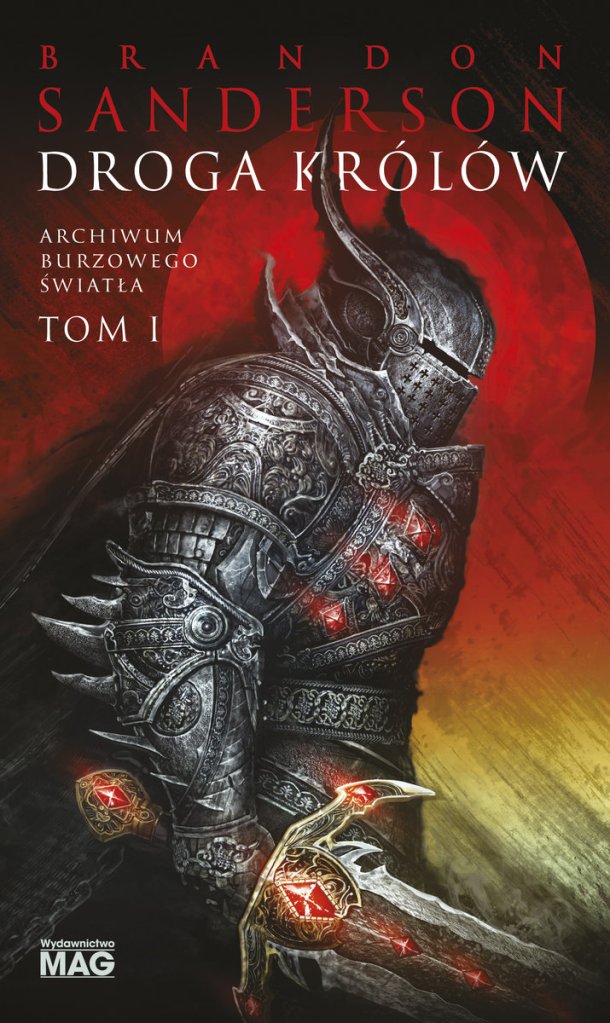

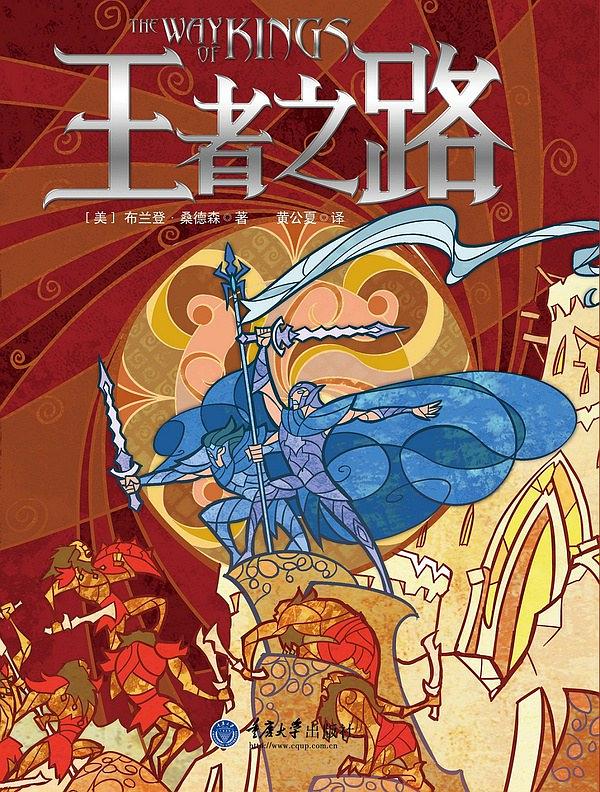
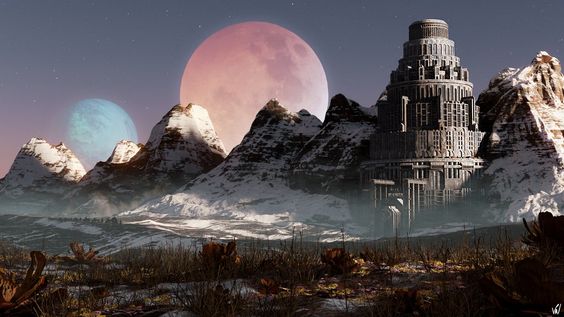
Roshar is a world of stone and storms. Uncanny tempests of incredible power sweep across the rocky terrain so frequently that they have shaped ecology and civilization alike. Animals hide in shells, trees pull in branches, and grass retracts into the soilless ground. Cities are built only where the topography offers shelter.
One such war rages on a ruined landscape called the Shattered Plains. There, Kaladin, who traded his medical apprenticeship for a spear to protect his little brother, has been reduced to slavery. In a war that makes no sense, where ten armies fight separately against a single foe, he struggles to save his men and to fathom the leaders who consider them expendable.
Brightlord Dalinar Kholin commands one of those other armies. Like his brother, the late king, he is fascinated by an ancient text called The Way of Kings. Troubled by over-powering visions of ancient times and the Knights Radiant, he has begun to doubt his own sanity.
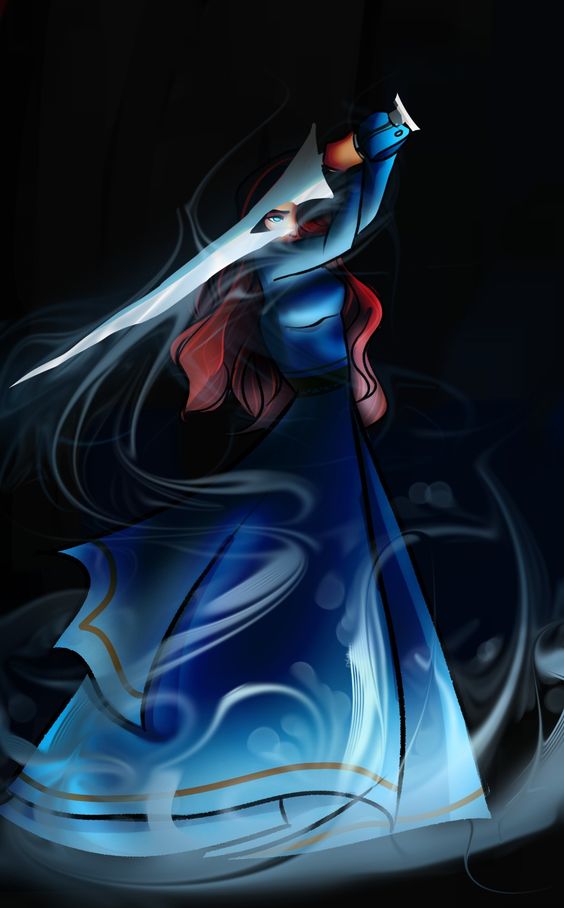
Across the ocean, an untried young woman named Shallan seeks to train under an eminent scholar and notorious heretic, Dalinar’s niece, Jasnah. Though she genuinely loves learning, Shallan’s motives are less than pure. As she plans a daring theft, her research for Jasnah hints at secrets of the Knights Radiant and the true cause of the war.
The result of over ten years of planning, writing, and world-building, The Way of Kings is but the opening movement of the Stormlight Archive, a bold masterpiece in the making.
Speak again the ancient oaths:
Life before death.
Strength before weakness.
Journey before Destination.
and return to men the Shards they once bore.
The Knights Radiant must stand again.
WHAT MAKES GOOD EPIC FANTASY?
I hardly know where to start. But rather than sound like the raving cult fanatic I feel like on the inside when I think about this series, I’m going to try to be reasonable. The Stormlight Archive has a beautifully unique magic system—but that doesn’t surprise anyone familiar with Sanderson.
The worldbuilding is exquisite and detailed. The characters are loveable, troubled, gritty, flawed, but—crucially for an epic fantasy like this that’s all about honor…not too flawed.
The action is totally epic, from tense duels to epic battles on gorgeous, sweeping landscapes. But I think that Sanderson is clearly most committed to is a good character arc. It comes out when he talks about writing, and in the structure of each book—each volume focusing on a different main character. Personally, I think the first one is the best, a tough accomplishment when you’ve got a whole world to introduce. But Sanderson doesn’t introduce it in an overwhelming way. He introduces it bit by bit like a civilised being—except the gradual kind of ramp-up you enjoy in Stormlight is actually really hard to find. Because the world is really detailed, but it’s a fun mystery to slowly figure out how it works.
One of the reasons this series inspires such ardour has to be its length. With something this insanely long – obnoxiously long, some might say, and definitely presumptive – something happens chemically. I’ve spent so long with the same group of characters in the same deeply detailed world that it is now, by far, the easiest and most defined escapism I’ve ever experienced. It’s immersive. By the three-thousandth page, you slip back into Roshar like it’s a warm, clean bed on a winter night. And then stress about the safety and mental health of five people for as long as you can justify reading.
What makes Stormlight special?
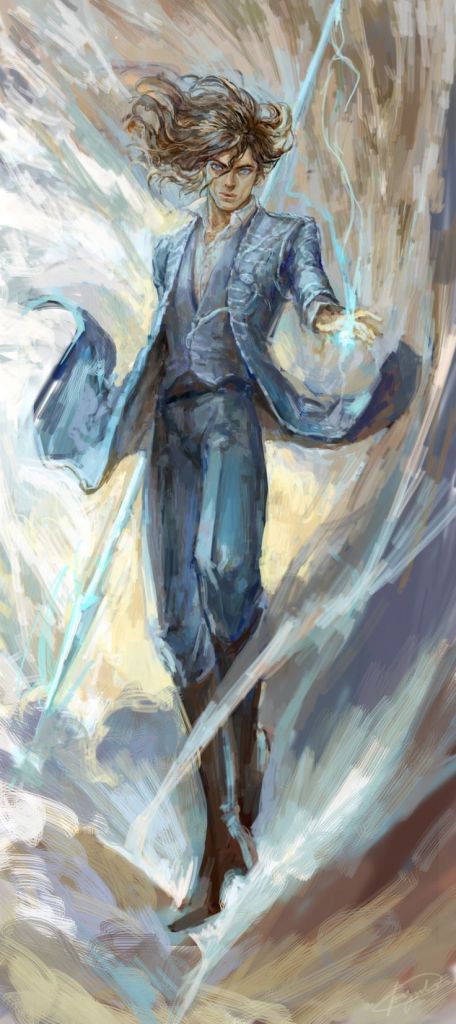
Allow me to take you on a hopefully humorous tour of this series’ characters.
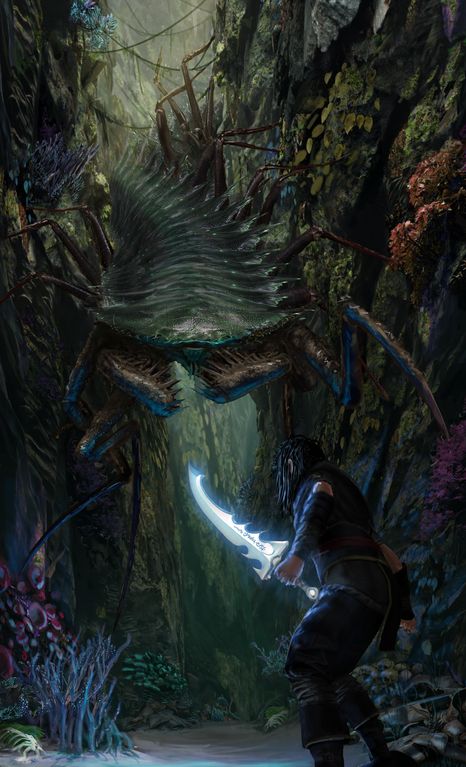
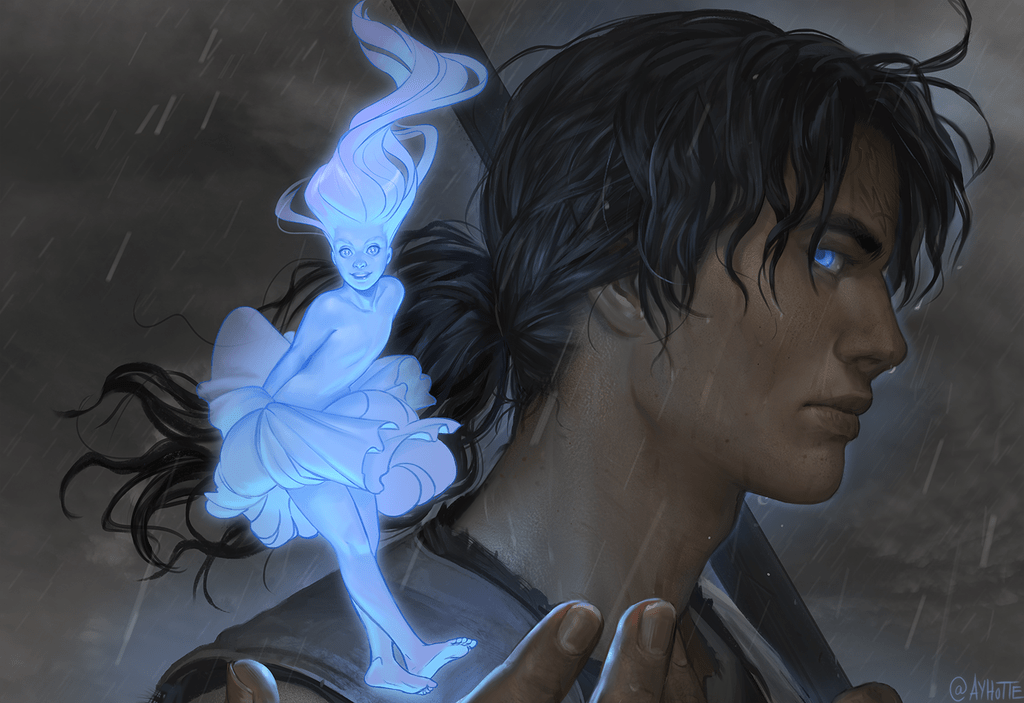
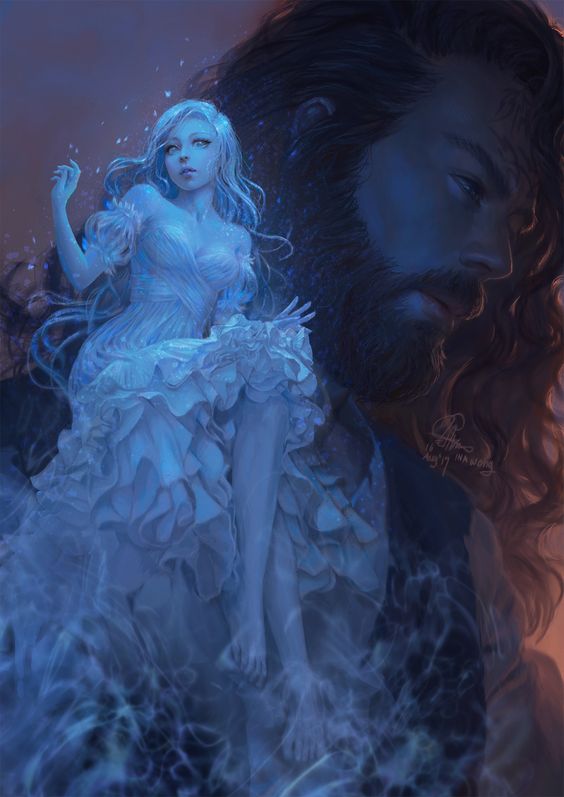
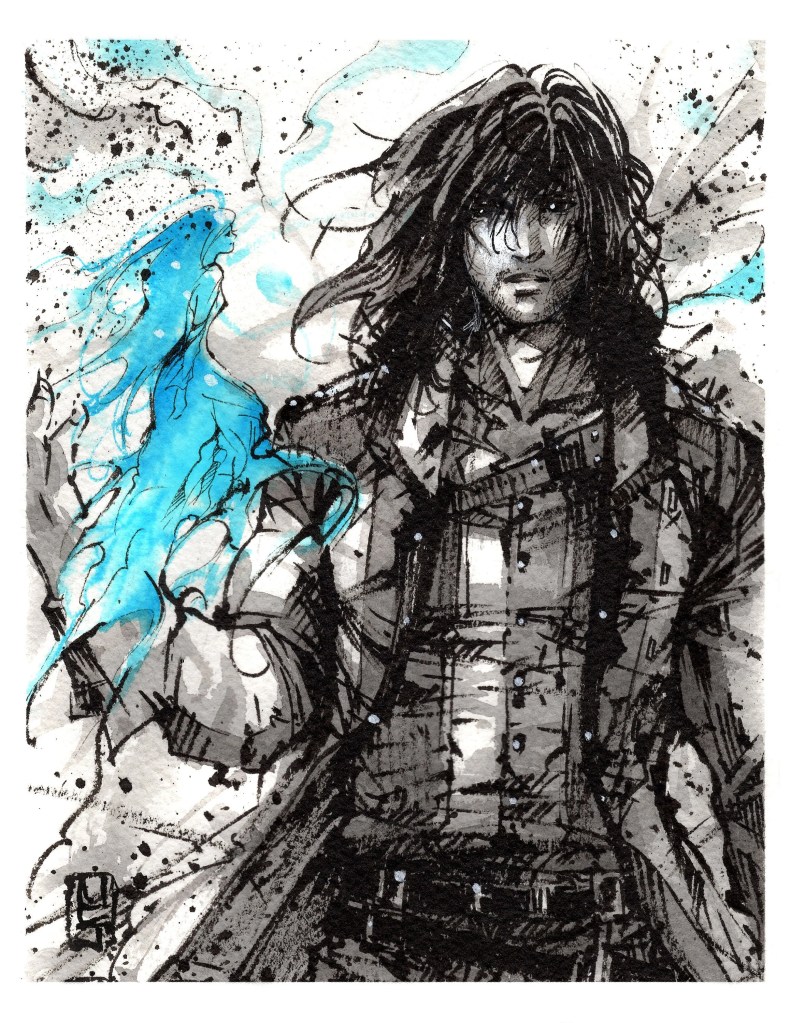
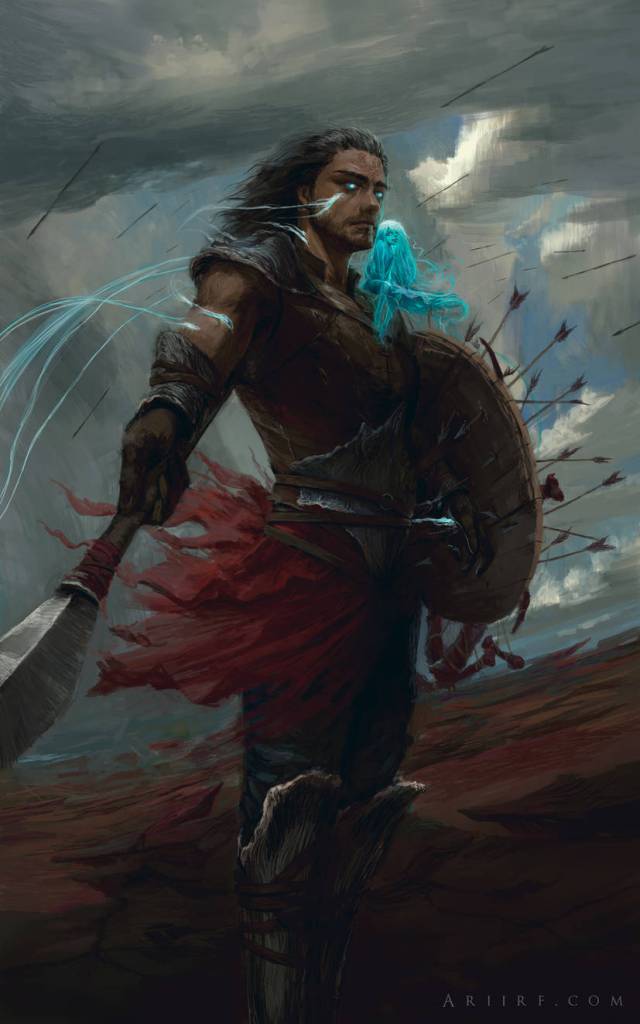
You’ve got Kaladin, a valiant depressed baby who just unfortunately can’t seem to stop being totally awesome. He’s my and everyone’s favorite and Sanderson just can’t seem to stop giving him character development.
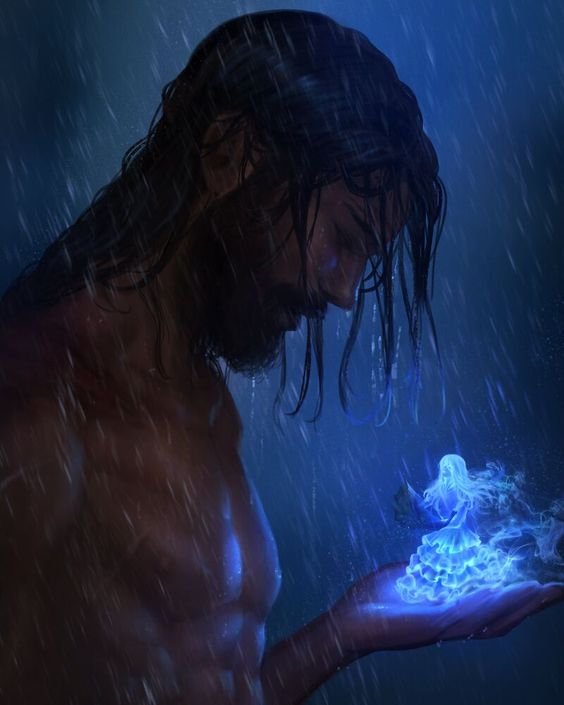
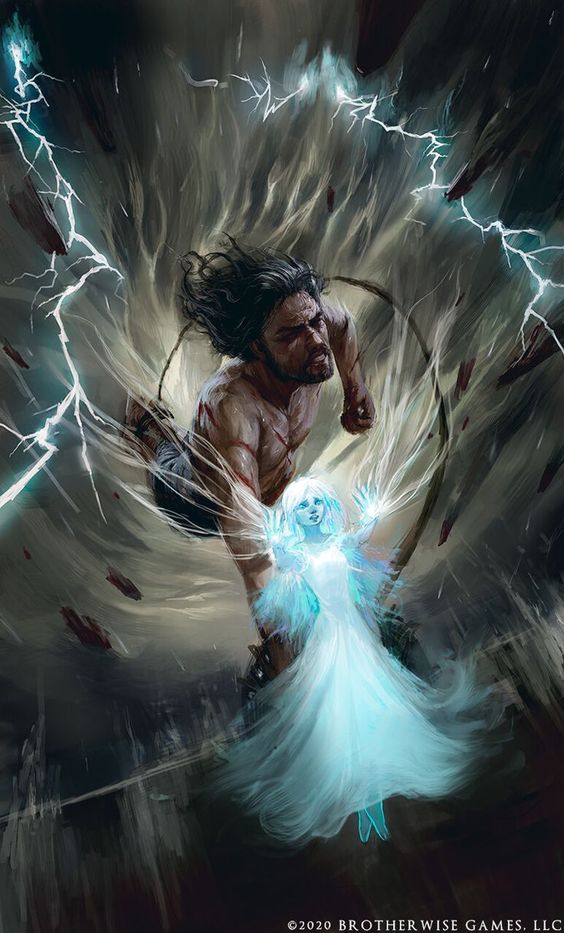

Daddy Dalinar is also generally unaware of his awesomeness even though it is totally undeniable to everyone except him. His bits are interesting because what he is aware of his power—and he’s got a lot of it. It’s an interesting glimpse into the life of someone with immense privilege who may or may not have abused it in the past. Also I love him.
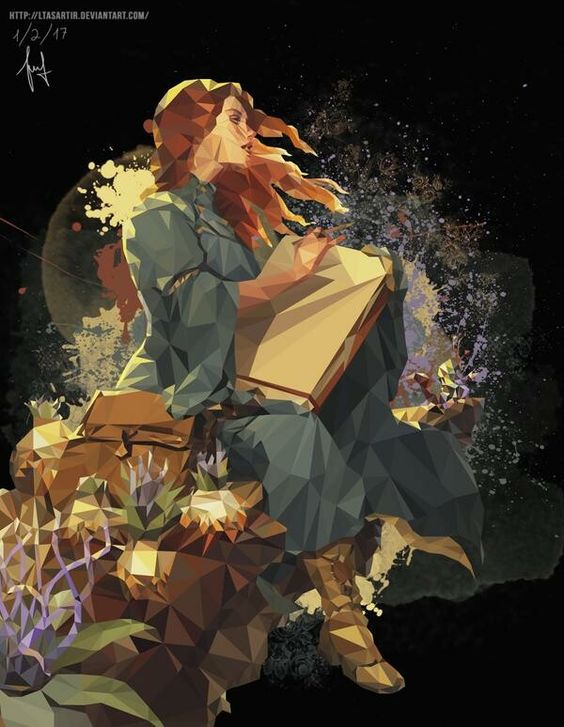
Shallan has some of the most witty, fun dialogue I can remember reading dare I say since the last Terry Pratchett book I read. There’s a lot going in that head of hers. A LOT. When I started the series I was unsure about her chapters but come the second book I was very all in. And frankly, it’s nice to have an interesting, complex, talented FMC in a fantasy novel written by a man. Seems like a low bar but I still insist on pointing it out.
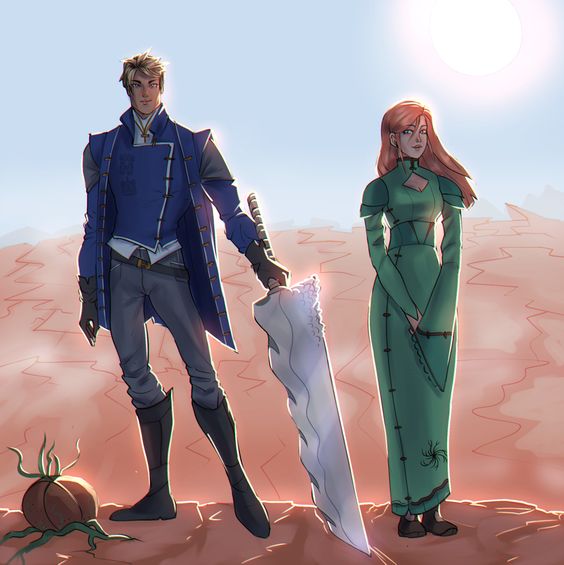
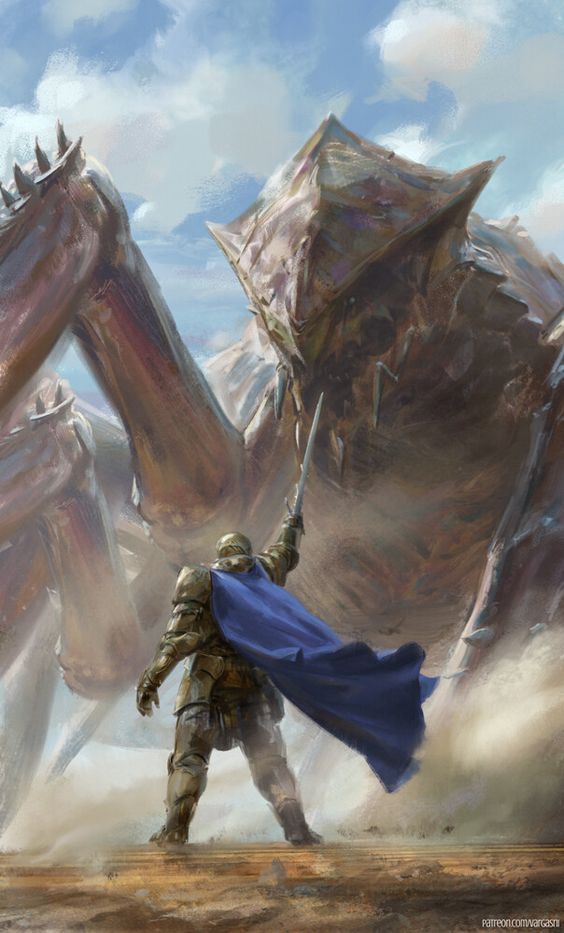
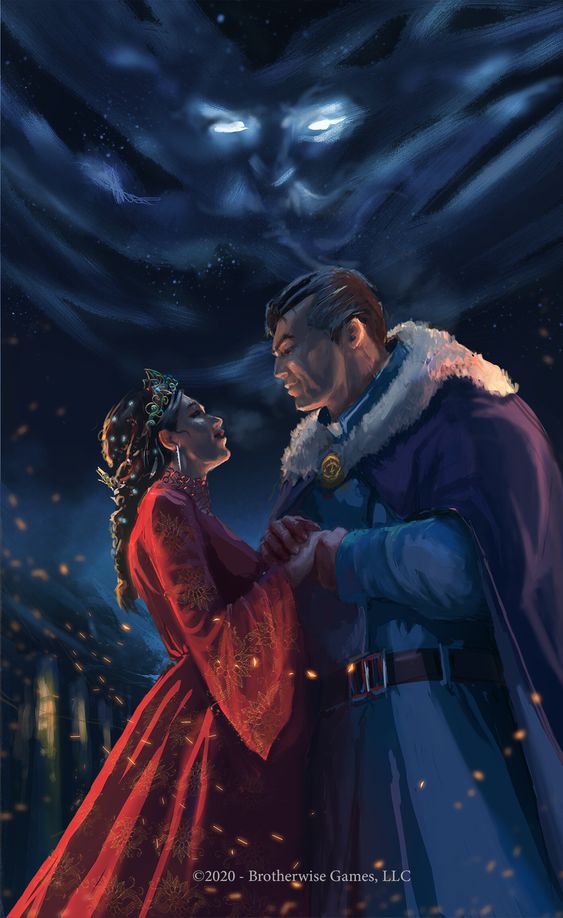
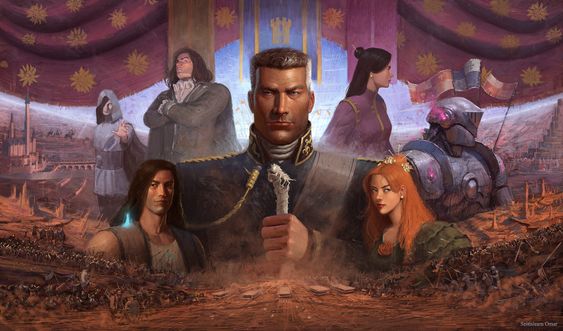
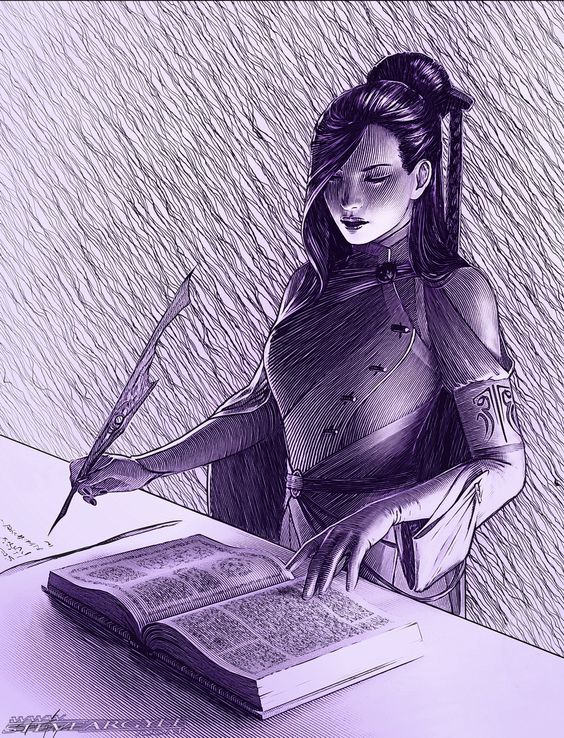
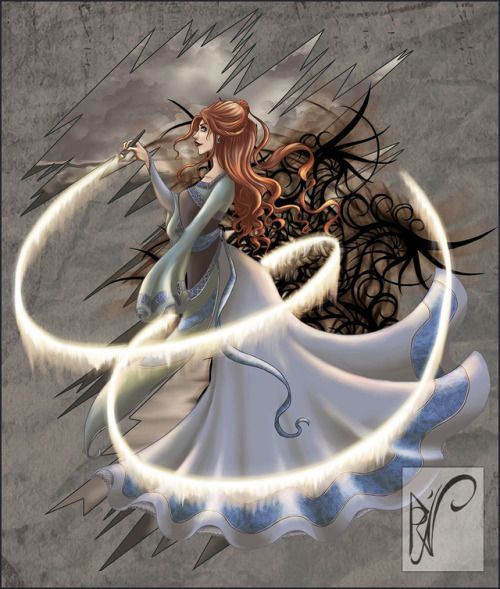
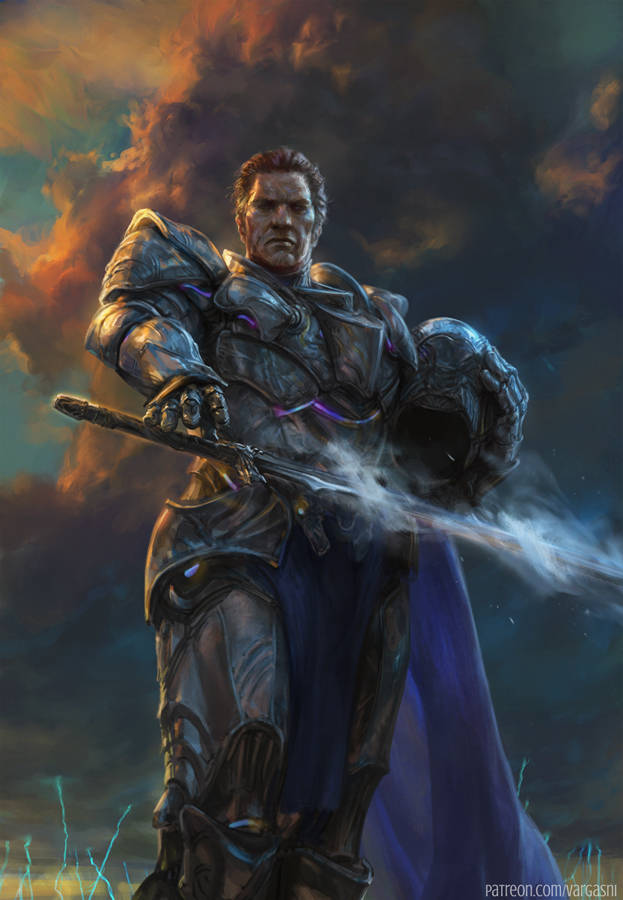
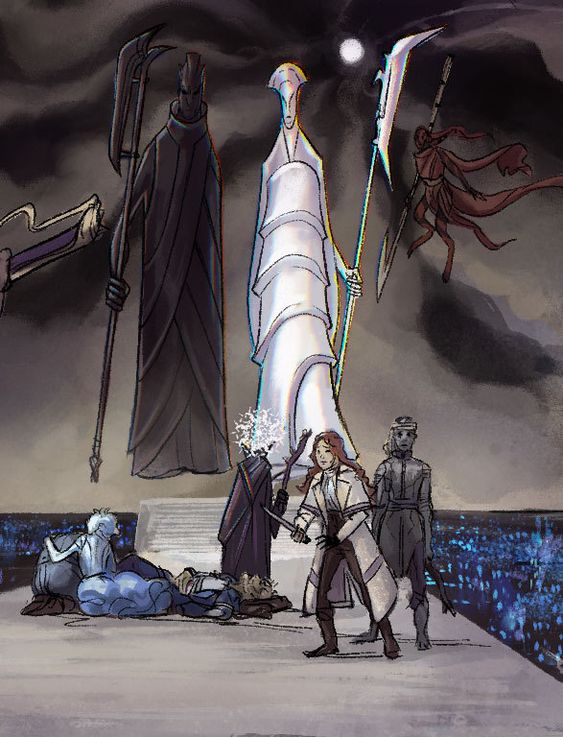
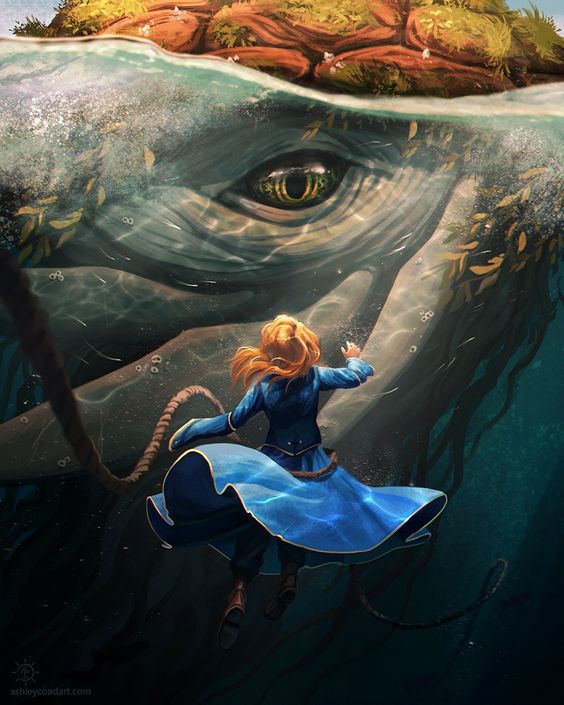
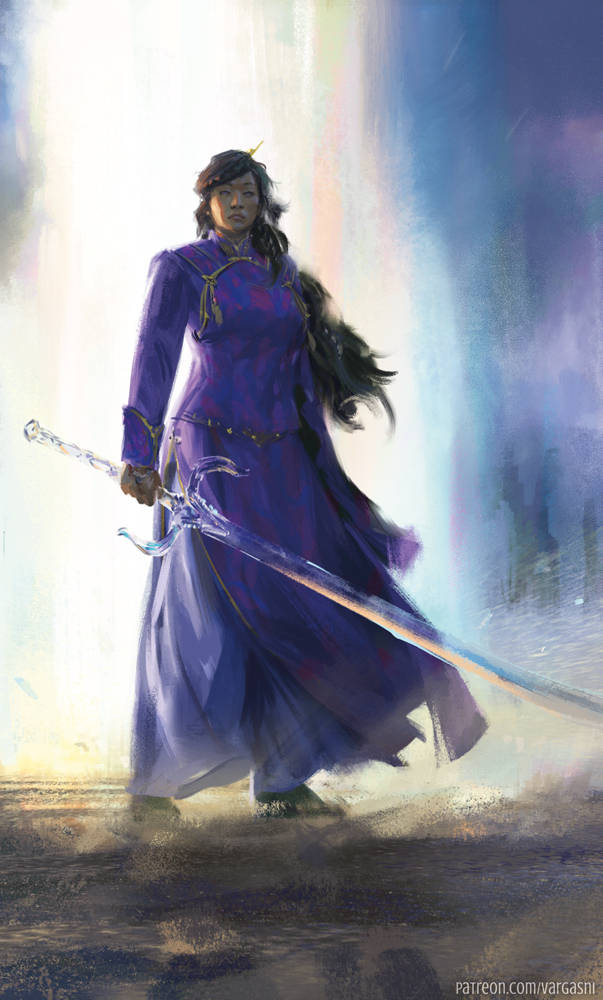
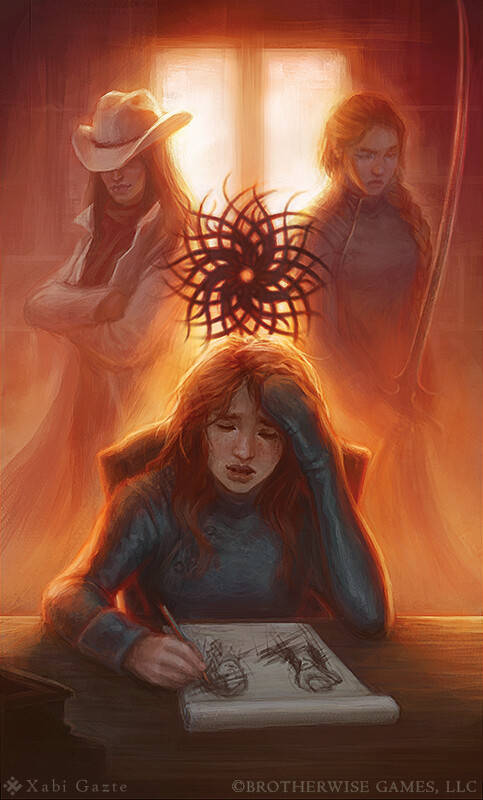
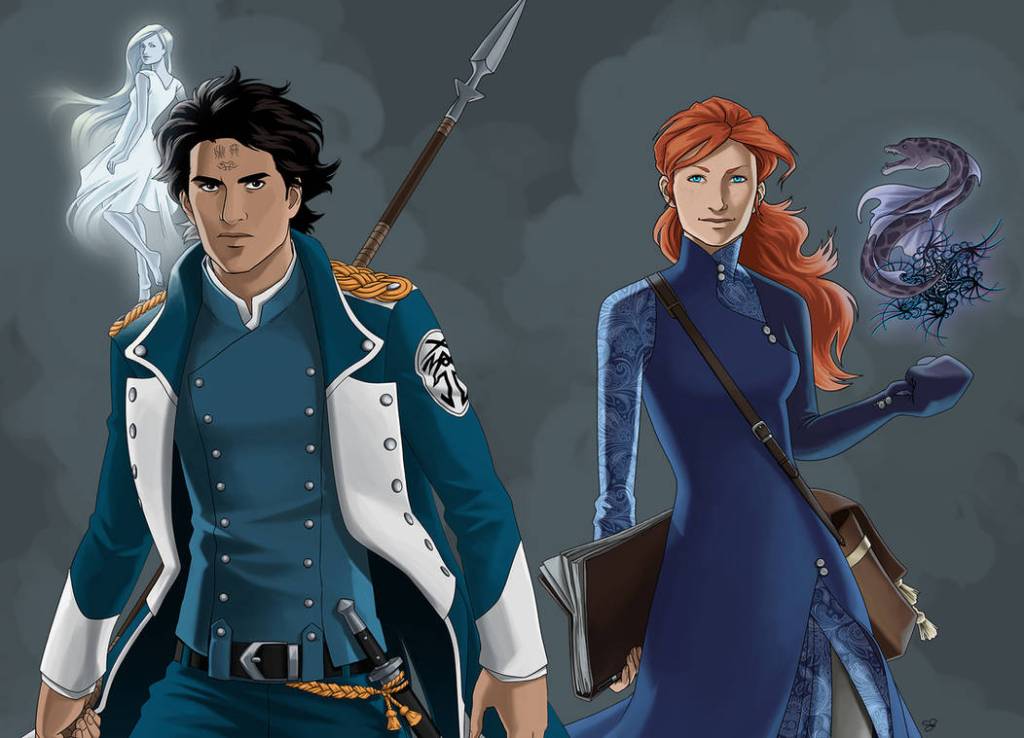
And then as you progress you get lots of other points of view, but that would be telling. In the fourth book, there’s a POV from what could be considered one of the enemies—and while I appreciate the thought behind giving a humanising perspective of the enemy, by that point I’m so in on all the other characters that I don’t mind admitting to a little speed reading. Even though, I mean, those chapters are great in their own right.
No such thing as perfect
What annoyed me about this book? My number one gripe is that it occasionally gets preachy. There’s a fine line when you’re dealing with an epic fantasy that puts subjective morality at the center of its magic system. Sometimes it made me cry—think the climax of a character arc, when they’ve been through hell and learned something about themselves and overcome something or find some kind of acceptance or something.
But sometimes you’re mid-arc (or two-thirds, you get the picture), it gets a smidge indulgent. I like an extended passage on the philosophy of good, bad, honor, and responsibility, but dare I say there were a few times—especially with the audiobook—that my eyelids fluttered, through no fault of the lovely narrators Michael Kramer and Kate Reading.
Also, I controversially have no issue with books that are very PG and have no sex. But specifically with one main pairing—well, maybe one and a half—not getting a look at any part of their intimate lives makes their relationship significantly harder to understand. I don’t even know if they’re genuinely sexually attracted to each other, because when we’re in their heads we certainly get no indication. And not only is that unrealistic (we’re also given no indication that anyone in these couples are asexual), it feels like there’s been a curtain pulled over an important part of an important relationship.
Especially in contrast to other fantasy series that tip way too far toward the sexual side, this omission is glaring. In my opinion, a good way of being non-graphic but also acknowledging that sexuality is part of being human is (drink at home, folks) the Temeraire series by Naomi Novik. It’s not a centrepiece nor is it graphic, but at least it’s acknowledged.
That’s the extent of my gripes. If no sex and very little romance (because to be honest, even the romance feels naive and clumsy) is a dealbreaker, it’s gonna break the deal on this series. Otherwise, to be an absolute nerd about it, this series is AWESOME.
“The question,” she replied, “is not whether you will love, hurt, dream, and die. It is what you will love, why you will hurt, when you will dream, and how you will die. This is your choice. You cannot pick the destination, only the path.”
Book 1: Amazon | Bookshop.org | Goodreads | StoryGraph


 ejbookblog
3 thoughts on “Series Review | The Stormlight Archive”